
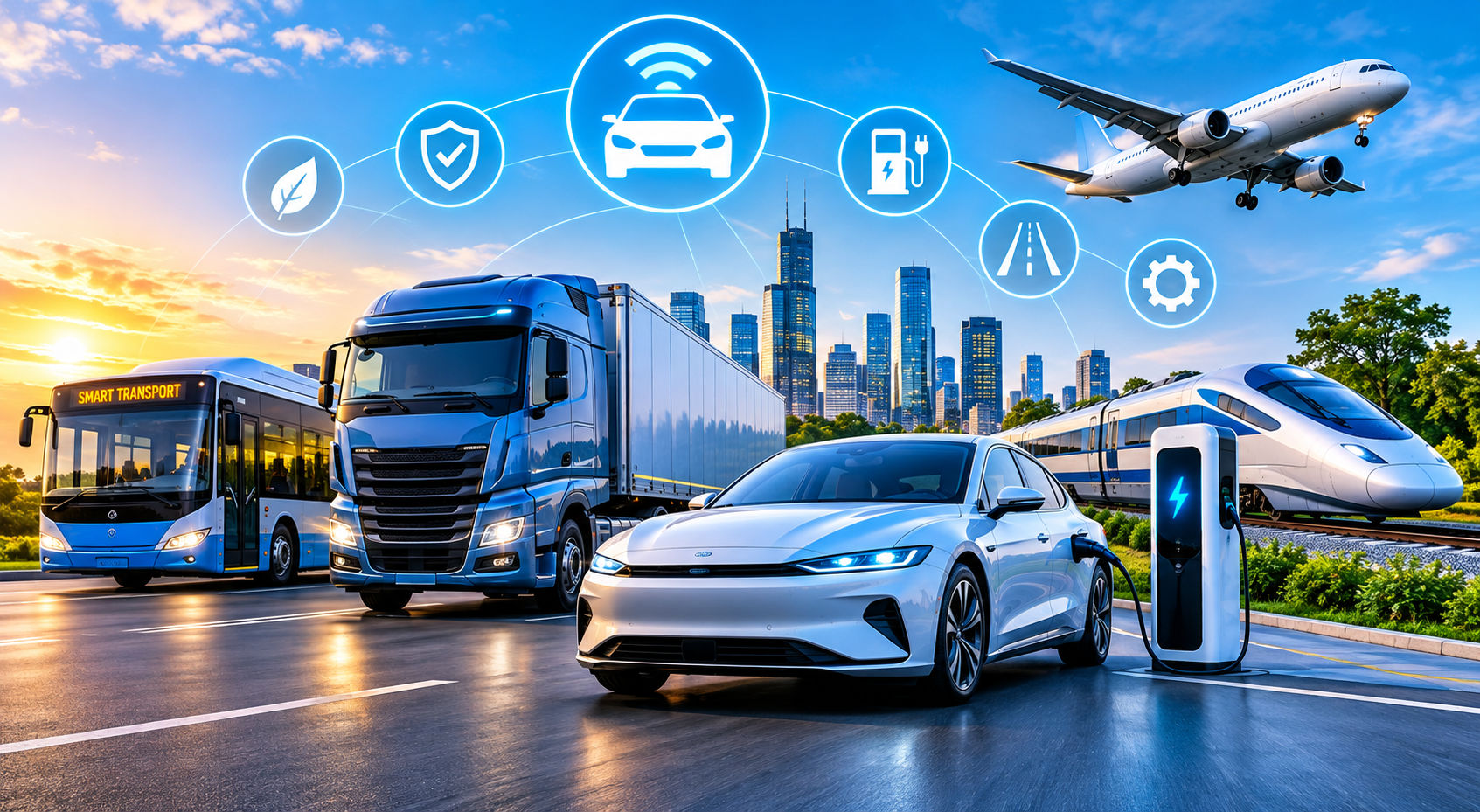
The automotive and transportation industry plays an important role in our everyday lives. From personal cars and motorcycles to buses, trucks, trains, and electric vehicles, transportation connects people, businesses, and communities around the world. Over the years, this industry has experienced significant changes through technology, innovation, and growing environmental awareness.
Today, the automotive sector is not just about manufacturing vehicles. It is about creating smarter, safer, more efficient, and environmentally friendly transportation solutions. As technology continues to evolve, the future of mobility is becoming more connected and sustainable.
The Evolution of the Automotive Industry
The automotive industry has come a long way since the introduction of the first automobiles. Earlier vehicles were designed mainly to provide basic transportation. However, modern vehicles offer advanced features such as digital displays, GPS navigation, automatic emergency braking, parking assistance, and smart connectivity.
Automobile manufacturers are continuously improving vehicle performance, comfort, fuel efficiency, and safety. These developments have transformed how people travel and how businesses transport goods from one location to another.
The introduction of hybrid and electric vehicles has also created new opportunities for the automotive industry, encouraging manufacturers to explore cleaner alternatives to traditional fuel-powered engines.
Electric Vehicles: A Step Towards Sustainable Transportation
Electric vehicles (EVs) are becoming an important part of the transportation industry's future. Unlike conventional petrol and diesel vehicles, electric cars operate using rechargeable batteries and electric motors.
One of the biggest advantages of electric vehicles is their ability to produce zero tailpipe emissions. They can also help reduce dependence on fossil fuels and lower running costs.
Governments and automobile companies worldwide are investing in EV infrastructure, battery technology, and charging stations. As charging facilities become more accessible and battery performance improves, electric mobility is expected to become increasingly practical for everyday transportation.
The Role of Technology in Modern Transportation
Technology has completely changed the way vehicles are designed, manufactured, and operated. Modern transportation systems use advanced technologies to improve efficiency, convenience, and road safety.
Some important innovations include:
- Artificial Intelligence: Helps improve driver assistance systems, traffic management, and vehicle performance.
- Connected Vehicles: Allow drivers to access navigation, entertainment, and real-time vehicle information.
- Autonomous Driving: Uses sensors, cameras, and software to support automated driving functions.
- Smart Traffic Management: Helps reduce congestion and improve traffic flow.
- Advanced Safety Features: Includes collision warnings, automatic braking, lane assistance, and parking sensors.
These technologies are making transportation more intelligent while creating new possibilities for the future of mobility.
Importance of Transportation in Economic Growth
Transportation is one of the most important pillars of economic development. Businesses depend on efficient transportation networks to move raw materials, finished products, and essential supplies.
Roadways, railways, airways, and waterways support international trade, tourism, manufacturing, and logistics operations.
A strong transportation infrastructure also creates employment opportunities in vehicle manufacturing, maintenance, logistics, engineering, technology, and customer services.
Efficient transportation systems help businesses reduce delivery times, manage operational costs, and improve customer satisfaction.
Challenges Facing the Automotive and Transportation Industry
Despite continuous innovation, the industry faces several challenges. Rising fuel prices, environmental concerns, traffic congestion, increasing manufacturing costs, and supply chain disruptions affect the automotive and transportation sectors.
Electric vehicle adoption also faces challenges such as charging infrastructure availability, battery costs, and recycling requirements.
Additionally, road safety remains a major concern in many countries. Improving road infrastructure, promoting responsible driving, and adopting advanced vehicle safety technologies are essential steps towards safer transportation.
The Future of Automotive & Transportation
The future of automotive and transportation will be shaped by sustainability, automation, and digital innovation. Electric vehicles, connected mobility, smart cities, and advanced public transportation systems are expected to play an increasingly important role.
Automotive manufacturers are focusing on developing vehicles that consume less energy, offer better performance, and reduce environmental impact.
At the same time, transportation companies are exploring smarter logistics solutions, real-time tracking, and automated systems to improve operational efficiency.
As these technologies continue to develop, the industry will move towards a more connected, convenient, and sustainable transportation ecosystem.
Conclusion
The automotive and transportation industry is continuously evolving to meet the changing needs of people and businesses. From traditional automobiles to electric and connected vehicles, innovation is transforming the way the world moves.
Although challenges such as environmental impact, infrastructure development, and road safety remain, technological advancements offer promising solutions.
The future of transportation will depend on how effectively businesses, governments, and technology providers work together to create safer, smarter, and more sustainable mobility solutions.